
Best External Hard Drives
Top 22 recommended products for "External Hard Drives"
Evidence Snapshot
22
22
7
Mar 10, 2026
Demand coverage and brand coverage reflect the active products shown on this page.
Quick Picks
Seagate Portable 2TB External Hard Drive HDD — USB 3.0 for PC, Mac, PlayStation, & Xbox -1-Year Rescue Service (STGX2000400)
Best overall mix of demand support, score strength, and confidence in this set.
Toshiba Canvio Basics 2TB Portable External Hard Drive USB 3.0, Black - HDTB520XK3AA
Strong overall performance for its relative price position in this set.
Seagate Expansion 24TB External Hard Drive HDD - USB 3.0, with Rescue Data Recovery Services (STKP24000400)
Higher-end pick with strong score support in the current set.
How To Read These Picks
These labels are meant to help you decide faster, not send you into methodology mode.
Shows how much search-demand support a product has inside this comparison set.
Our first-party ranking score for this set. It is not Amazon star ratings.
Signals how complete and well-supported the listing data is before we recommend it.
We show whether an item is lower-priced, mid-range, or higher-priced in this set. Exact prices stay hidden.
Compare Top Products
Quick side-by-side comparison first, then detailed specifications in the same module.
| Product | |||||
|---|---|---|---|---|---|
| Expert Score | 98% within this set | 93% within this set | 89% within this set | 84% within this set | 80% within this set |
| Demand | 98% | 84% | 93% | 89% | 80% |
| Relative Price | Mid-range | Mid-range | Lower-priced | Mid-range | Higher-priced |
| Why It Stands Out | Best Overall Top Expert Score Demand Leader Best Value | ||||
Detailed Specifications Exact prices are hidden. Specs below focus on comparable product details. | |||||
| Brand | Seagate | Western Digital | TOSHIBA | Seagate | Seagate |
| Manufacturer | Seagate | Western Digital Technologies, Inc. | Toshiba | Seagate | Seagate |
External hard drives now split into two clear groups: high-capacity HDD models built for bulk storage and compact SSD models built for speed, portability, and quiet operation. Shoppers usually narrow the field fastest by deciding between HDD and SSD, then choosing the capacity and port they actually need.
Capacity is still a major sorting factor because usage patterns vary widely. Smaller portable options such as 500GB and 1TB fit light backups and everyday carry, while 2TB, 4TB, and larger-capacity drives make more sense for full-system backups, media libraries, and game installs.
Port selection matters more than many buyers expect. USB-C is increasingly common for newer laptops, tablets, and phones, while USB-A remains useful for older desktops, consoles, and mixed-device setups. Higher-bandwidth options such as Thunderbolt external drives are most relevant for heavier creative workloads where large file transfers happen frequently.
As an Amazon Associate, we earn from qualifying purchases. Product prices and availability are subject to change. ExpertBeacon Score, Expert Score, Value, and Confidence are proprietary ranking signals and are not retailer star ratings or review counts. Full disclosure
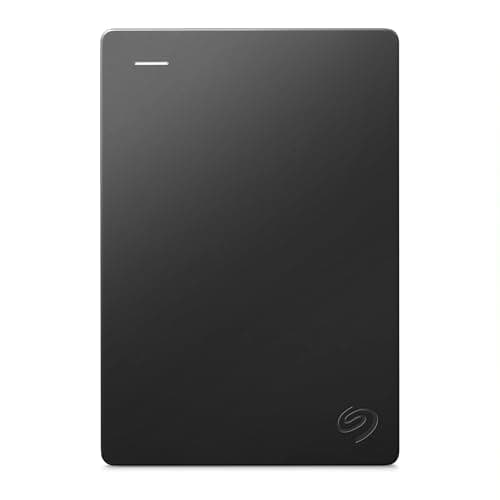
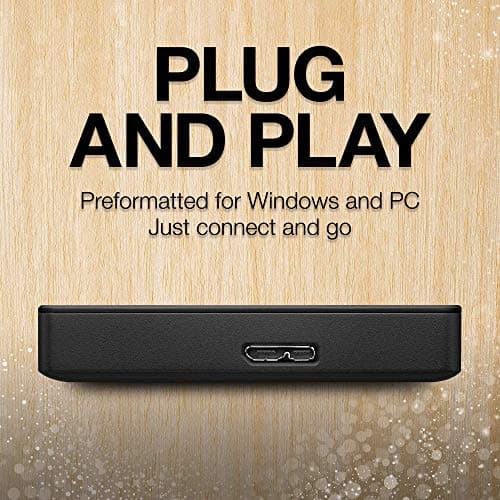
Seagate Portable 2TB External Hard Drive HDD — USB 3.0 for PC, Mac, PlayStation, & Xbox -1-Year Rescue Service (STGX2000400)
Relative Price compares this product with others in this set. Exact prices stay hidden.
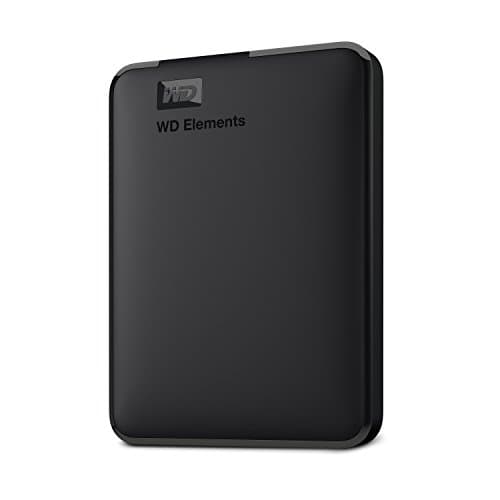
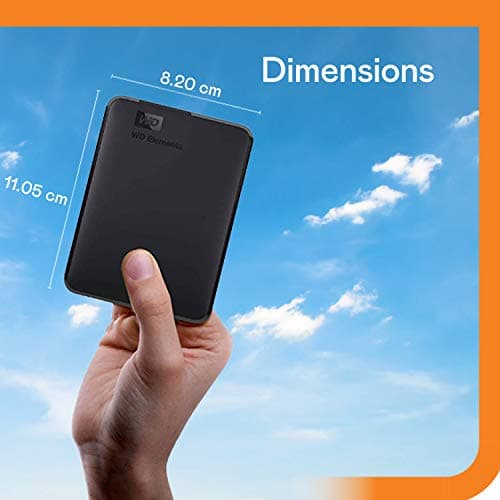
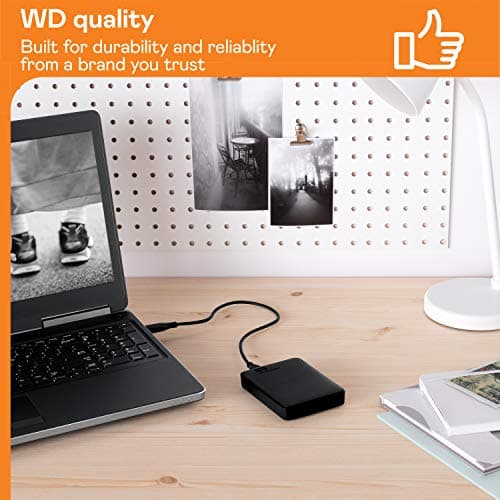
Western Digital WD 5TB Elements Portable External Hard Drive for Windows, USB 3.2 Gen 1/USB 3.0 for PC & Mac, Plug and Play Ready - WDBU6Y0050BBK-WESN
Relative Price compares this product with others in this set. Exact prices stay hidden.
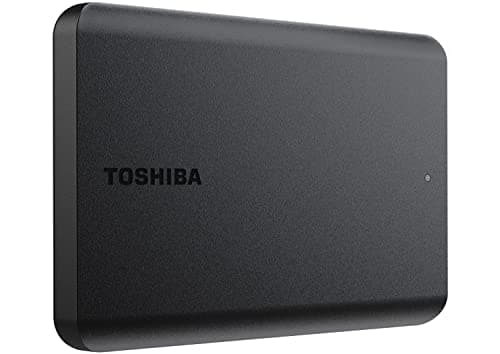
Toshiba Canvio Basics 2TB Portable External Hard Drive USB 3.0, Black - HDTB520XK3AA
Relative Price compares this product with others in this set. Exact prices stay hidden.
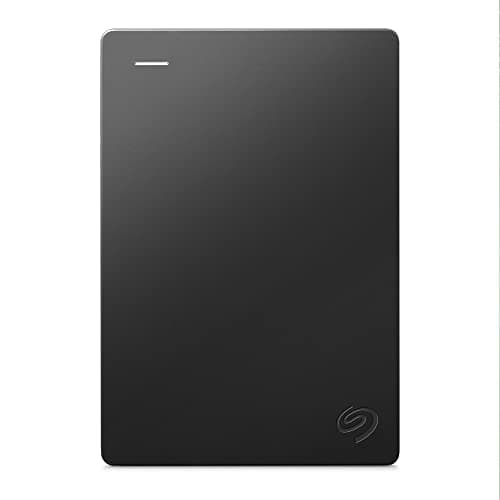
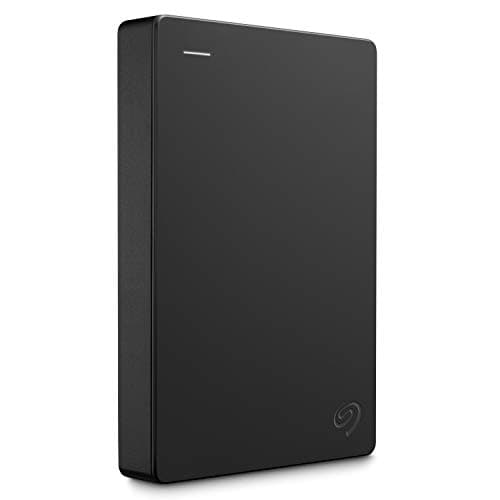
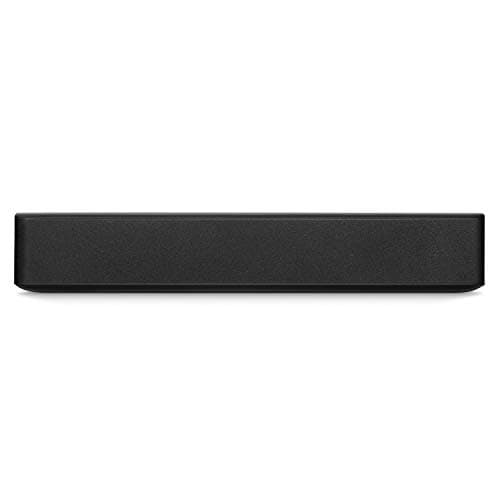
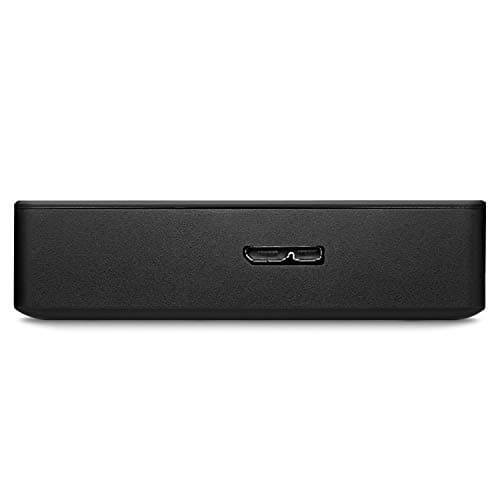
Seagate Portable 5TB External Hard Drive HDD – USB 3.0 for PC, Mac, PS4, & Xbox - 1-Year Rescue Service (STGX5000400), Black
Relative Price compares this product with others in this set. Exact prices stay hidden.
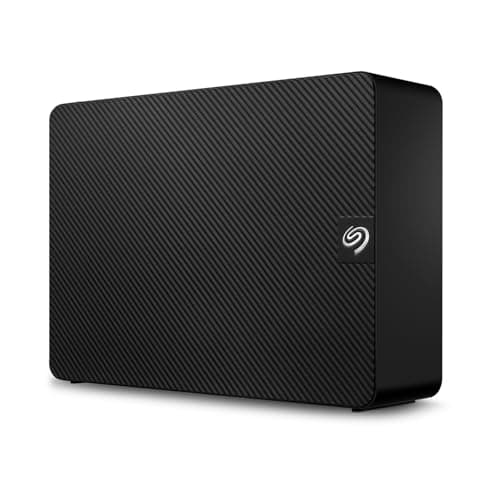
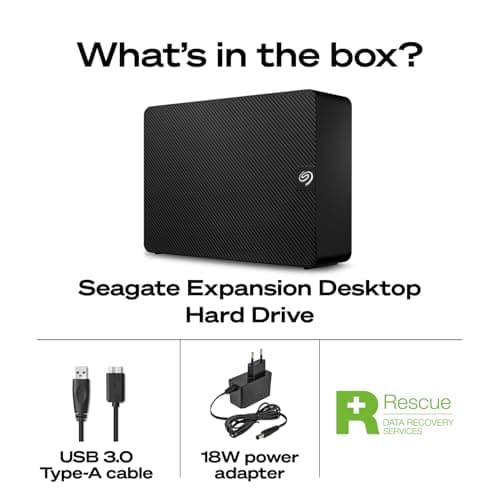
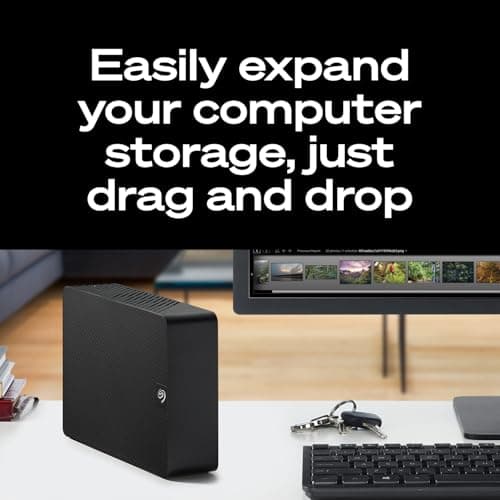
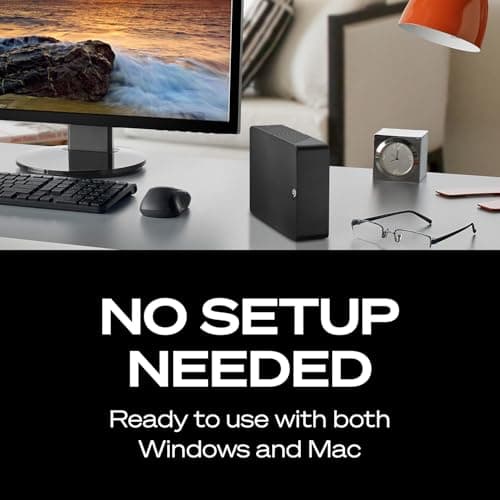
Seagate Expansion 24TB External Hard Drive HDD - USB 3.0, with Rescue Data Recovery Services (STKP24000400)
Relative Price compares this product with others in this set. Exact prices stay hidden.
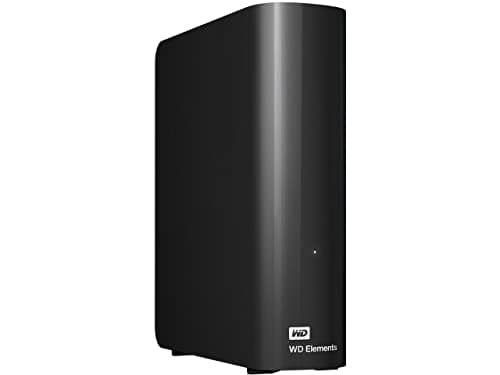
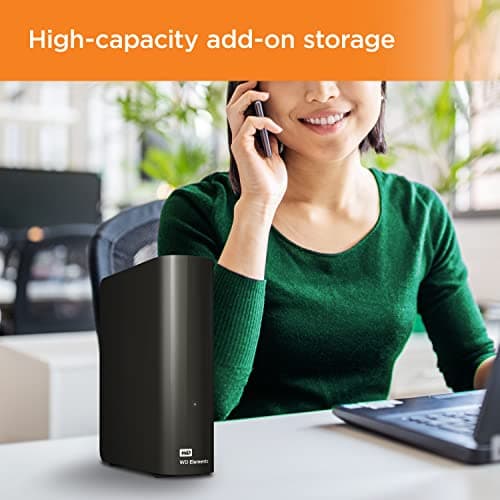
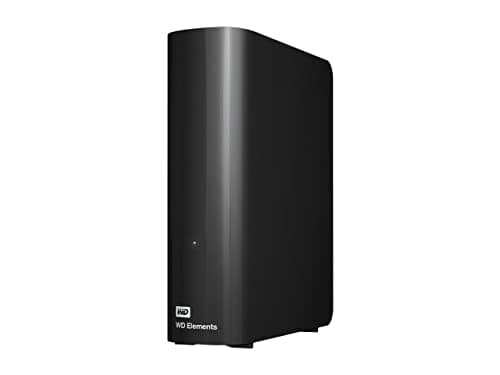
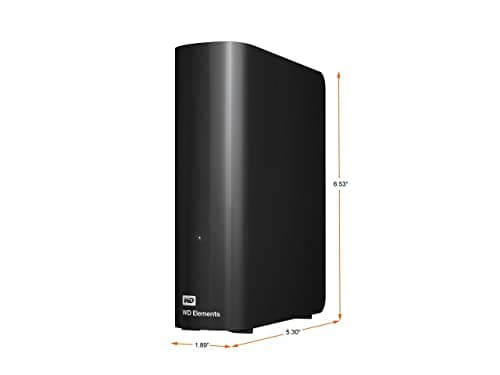
WD 20TB Elements Desktop External Hard Drive, USB 3.0 drive for plug-and-play storage - WDBWLG0200HBK-NESN
Relative Price compares this product with others in this set. Exact prices stay hidden.
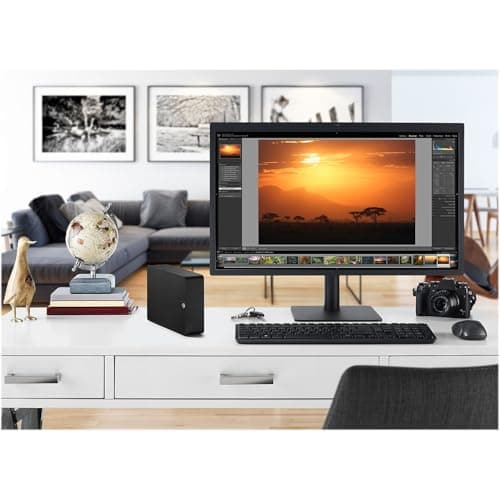
Seagate Expansion 8TB External Hard Drive HDD - USB 3.0, with Rescue Data Recovery Services (STKP8000400)
Relative Price compares this product with others in this set. Exact prices stay hidden.
Toshiba Canvio Basics 1TB Portable External Hard Drive USB 3.0, Black - HDTB510XK3AA
Relative Price compares this product with others in this set. Exact prices stay hidden.
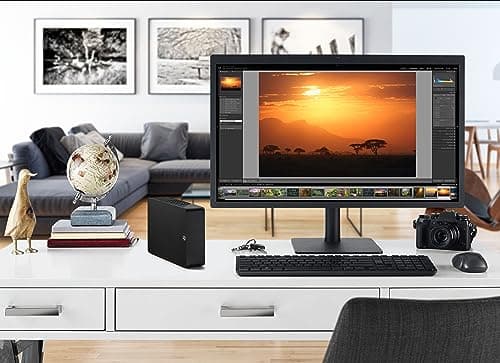
Seagate Expansion 22TB External Hard Drive HDD - USB 3.0, with Rescue Data Recovery Services (STKP22000400)
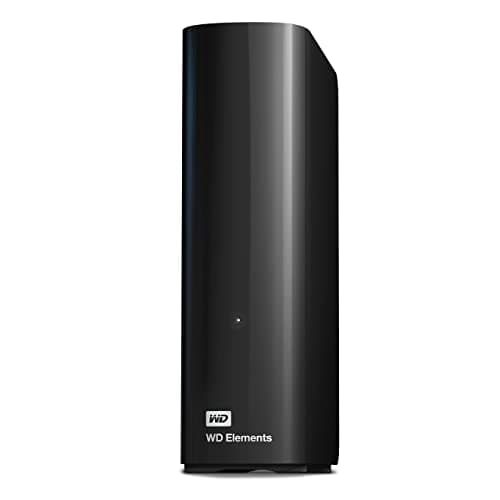
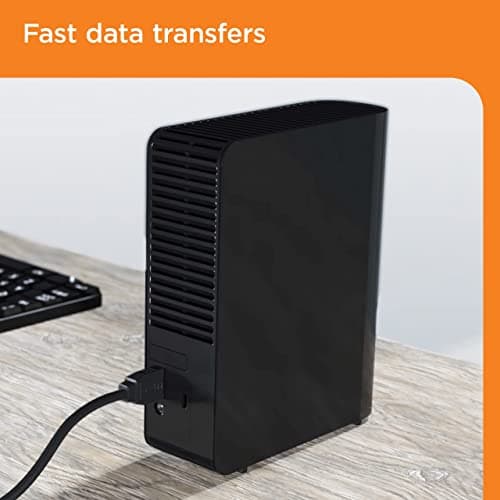
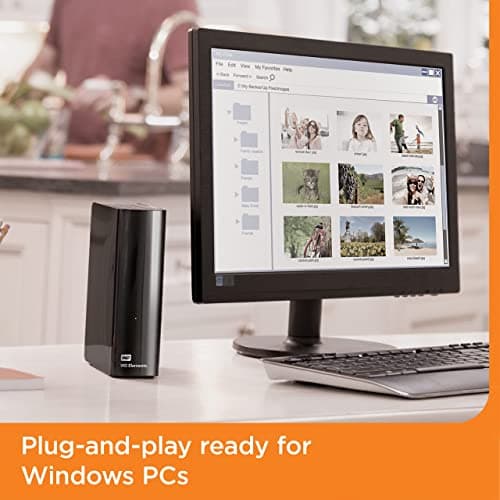
WD 16TB Elements Desktop External Hard Drive, USB 3.0 for plug-and-play storage - WDBWLG0160HBK-NESN
Relative Price compares this product with others in this set. Exact prices stay hidden.
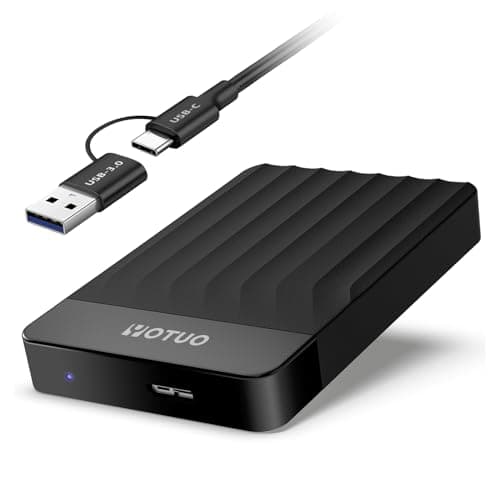
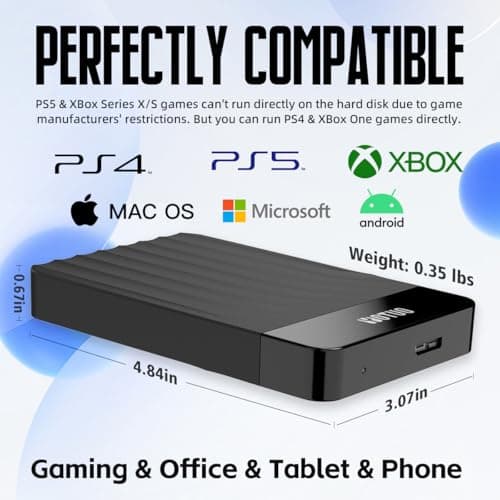
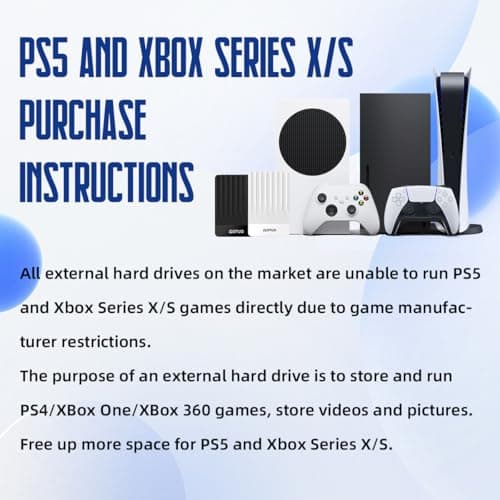
YOTUO Portable External Hard Drive Storage Expansion Mobile HDD USB 3.0 USB-C for PC, Mac, Desktop, Laptop, PS4, Xbox One X/S, Xbox 360, Office & Game (Black, 1TB)
Relative Price compares this product with others in this set. Exact prices stay hidden.
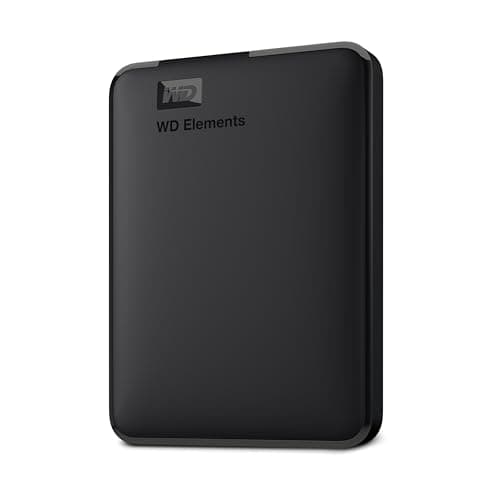
WD 2TB Elements Portable External Hard Drive for Windows, USB 3.2 Gen 1/USB 3.0 for PC & Mac, Plug and Play Ready - WDBU6Y0020BBK-WESN
Relative Price compares this product with others in this set. Exact prices stay hidden.
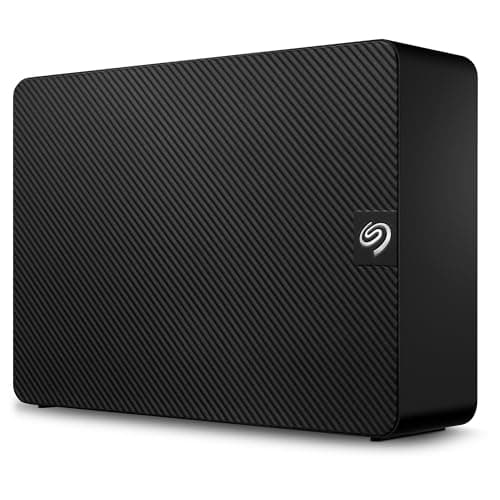
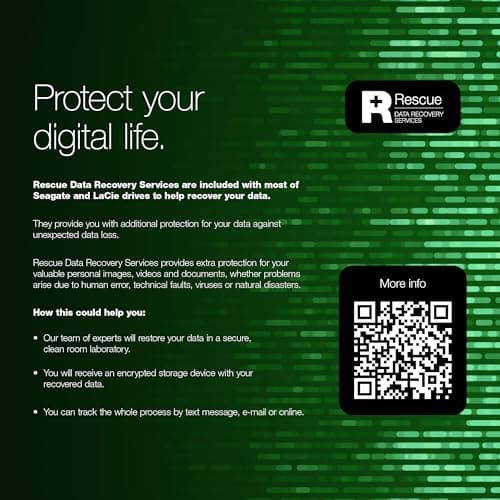
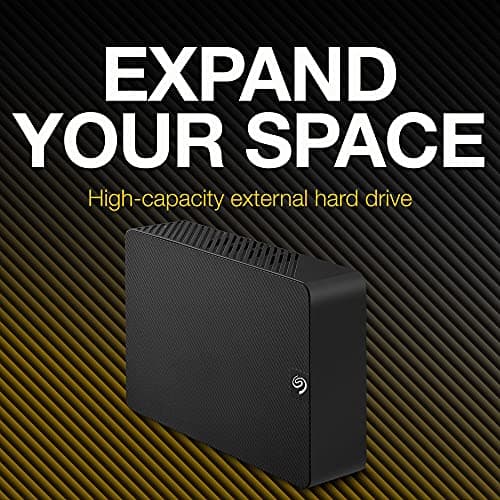
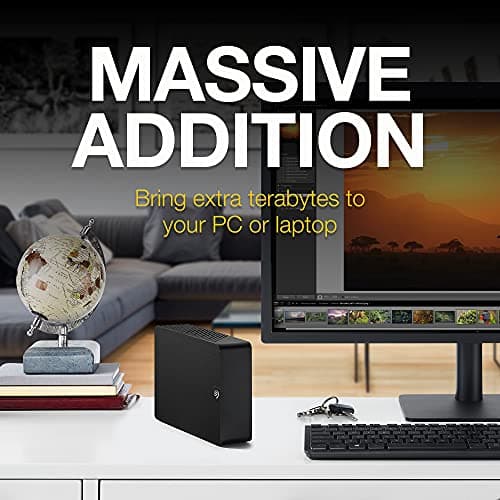
Seagate Expansion Desktop 14TB, External Hard Drive, USB 3.0, 2 Year Rescue Services (STKP14000400)
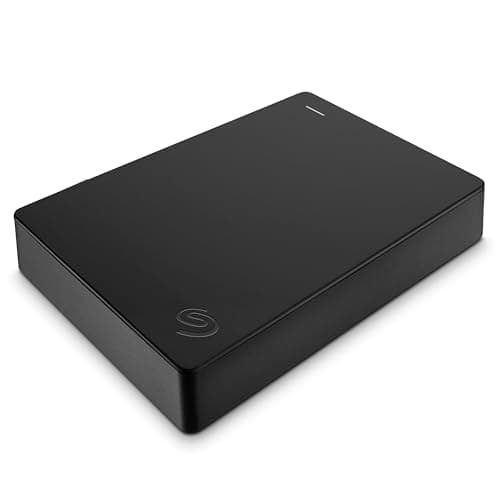
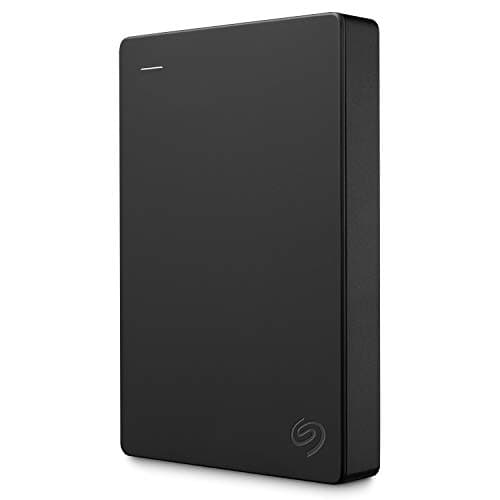
Seagate Portable 4TB External Hard Drive HDD – USB 3.0 for PC, Mac, Xbox, & PlayStation - 1-Year Rescue Service (SRD0NF1)
Relative Price compares this product with others in this set. Exact prices stay hidden.
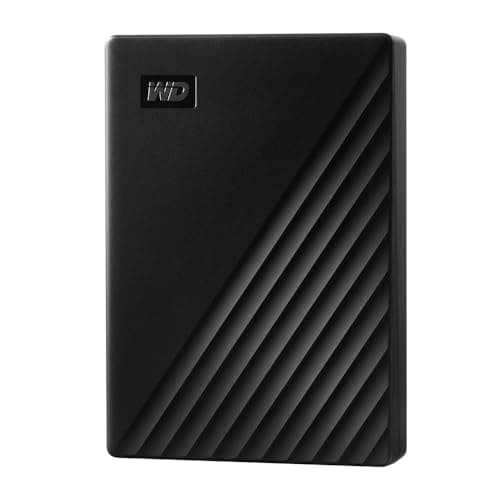

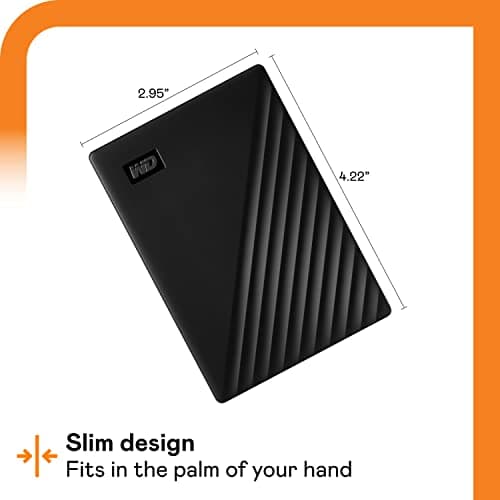
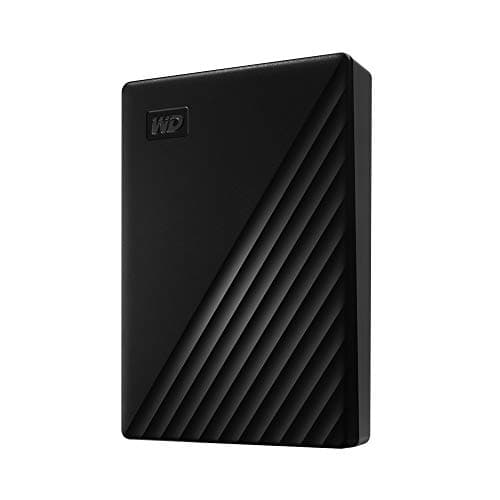
WD 5TB My Passport, Portable External Hard Drive, Black, backup software with defense against ransomware, and password protection, USB 3.1/USB 3.0 compatible - WDBPKJ0050BBK-WESN
Relative Price compares this product with others in this set. Exact prices stay hidden.
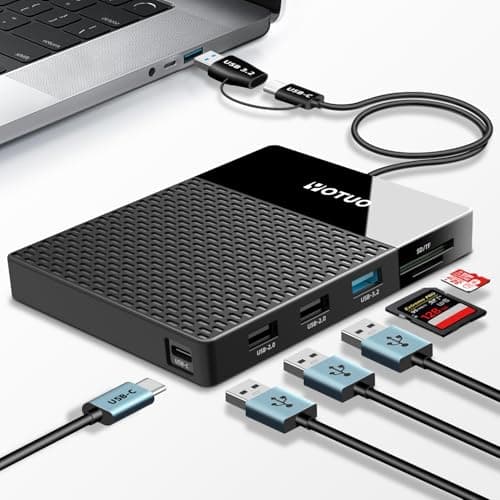
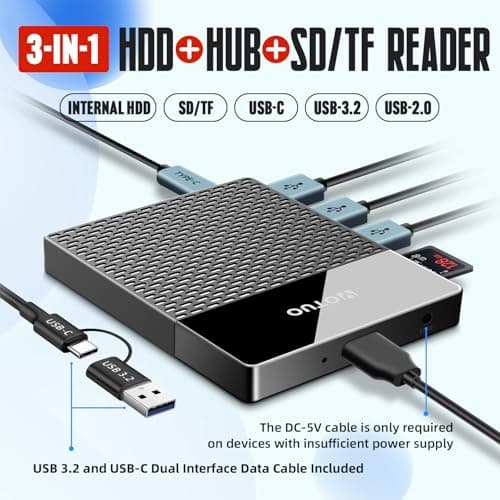
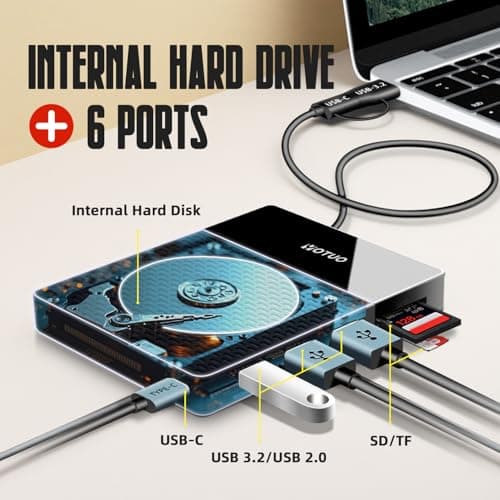
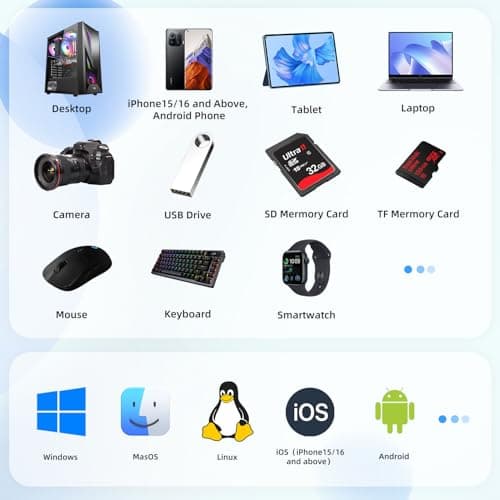
YOTUO 1TB External Hard Drive, USB C Multiport Hub HDD 7-in-1, USB 3.0, SD/TF Card Reader, Docking Station, Multi-Function HDD for Windows, Mac, Android, TV, Phone, Laptop, Desktop, PC
Relative Price compares this product with others in this set. Exact prices stay hidden.
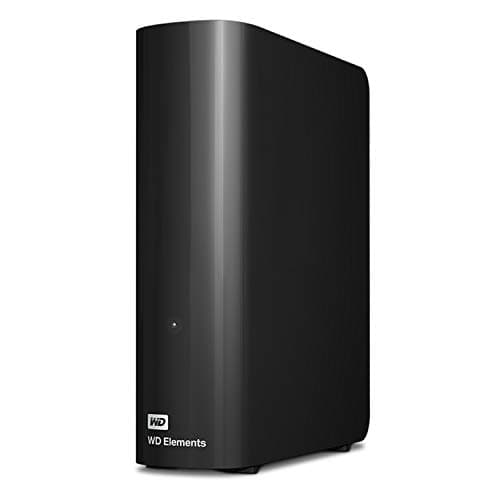
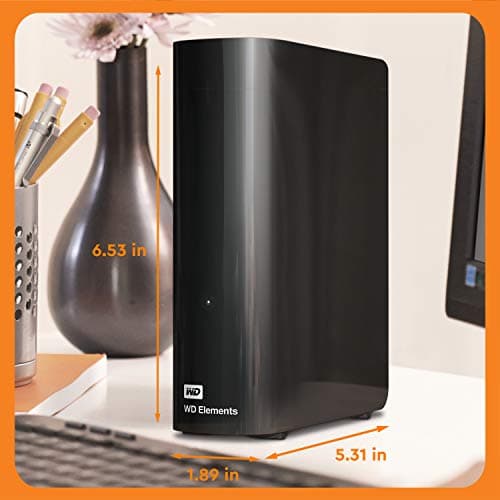

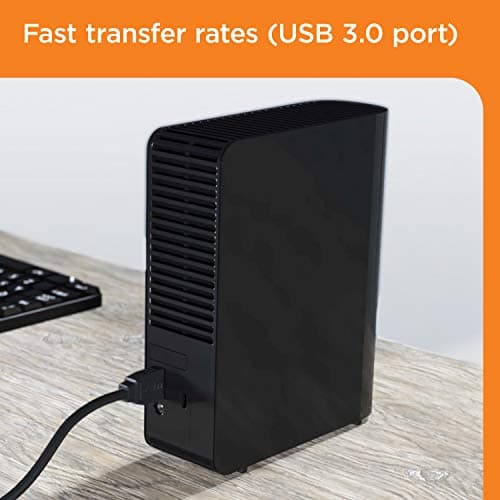
Western Digital 14TB Elements Desktop External Hard Drive, USB 3.0 external hard drive for plug-and-play storage - Western DigitalBWLG0140HBK-NESN
Relative Price compares this product with others in this set. Exact prices stay hidden.
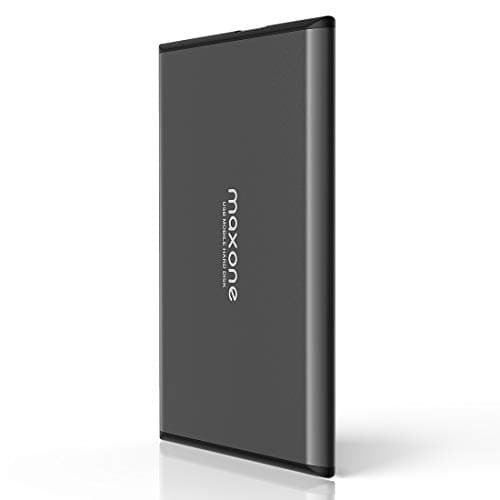
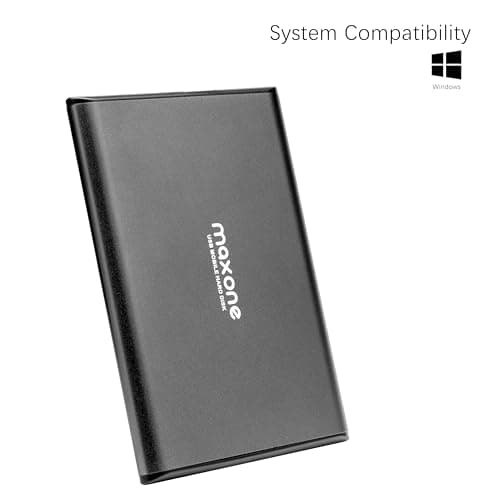
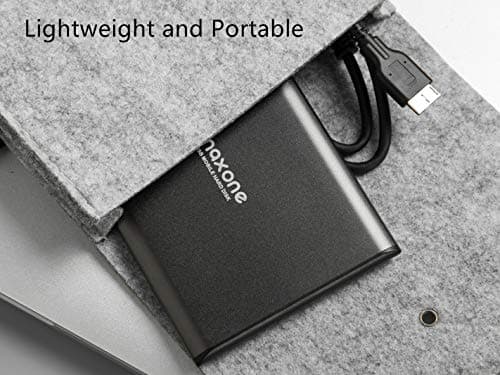
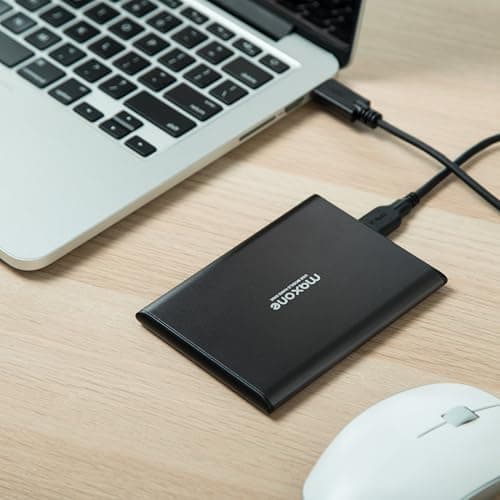
Maxone 1TB Ultra Slim Portable External Hard Drive HDD USB 3.0 Compatible with PC, Laptop, Charcoal Grey
Relative Price compares this product with others in this set. Exact prices stay hidden.
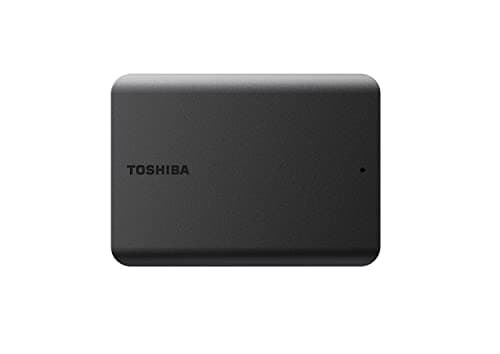
Toshiba Canvio Basics 4TB Portable External Hard Drive USB 3.0, Black - HDTB540XK3CA
Relative Price compares this product with others in this set. Exact prices stay hidden.
Seagate Expansion 14TB External Hard Drive HDD - USB 3.0, with Rescue Data Recovery Services (STKP14000402)
Relative Price compares this product with others in this set. Exact prices stay hidden.
WD 6TB Elements Portable External Hard Drive for Windows, USB 3.2 Gen 1/USB 3.0 for PC & Mac, Plug and Play Ready - WDBHJS0060BBK-WESN
Relative Price compares this product with others in this set. Exact prices stay hidden.
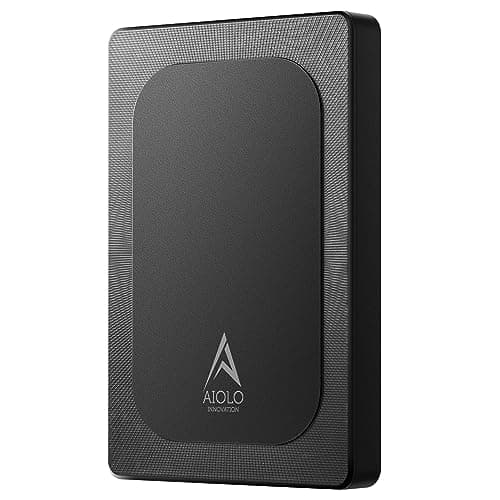
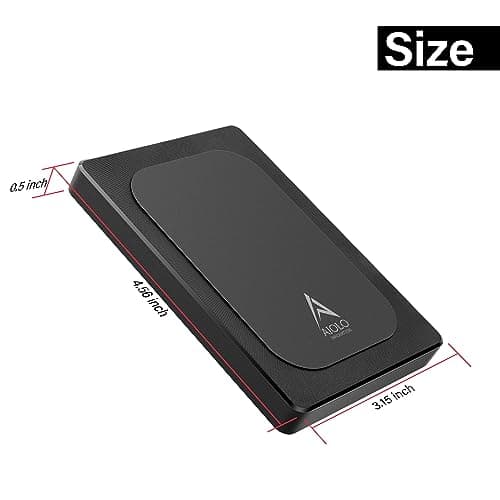
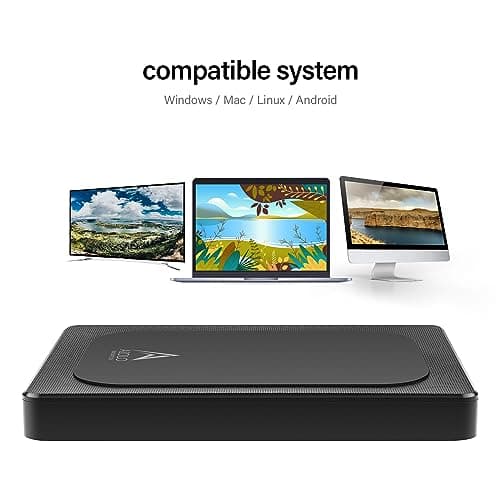
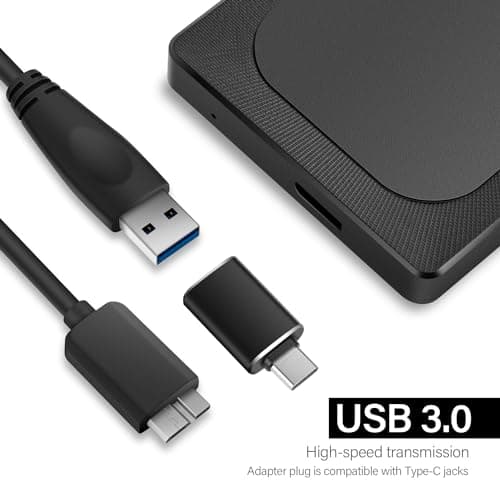
Aiolo Innovation 500GB External Hard Drive Ultra Slim Portable HDD-USB 3.0 for PC, Mac, Laptop, PS4, Xbox one,Xbox 360 HD-A4
Most comparisons in this category come down to four tradeoffs: speed, capacity, portability, and compatibility. SSDs are typically easier to carry, faster to wake, and better suited to frequent transfers, especially for photo libraries, video projects, and mixed laptop workflows. HDDs still make sense when the priority is storing a lot of data in one place for backup or long-term access.
Capacity comparisons are straightforward but still important. A 1TB drive is often enough for documents, everyday backups, and a moderate media library. 2TB models are a common middle ground for households with multiple devices. 4TB and larger options are better aligned with creators, collectors, and anyone storing large raw photo or video files.
Connection type changes the experience too. USB-A drives are still widely compatible, but USB-C is easier to recommend for newer machines because it reduces adapter friction. Thunderbolt models are more specialized and are best reserved for users who can actually benefit from faster sustained throughput, such as people working with large project files in place rather than simple drag-and-drop backups.
If you are still deciding, the cleanest path is to compare the category by your main use first, then filter by capacity and connector. That usually leads to a better choice than starting from brand or appearance alone.
Category Analysis
Explore External Hard Drives across 8 dimensions
By Drive Type
2 categories · 375 productsBy Interface
3 categories · 258 productsBy Storage Capacity
5 categories · 257 productsBy Form Factor
2 categories · 158 productsBest For: Best For
3 categories · 291 productsBest For: Device Compatibility
3 categories · 191 productsBest For: Price Tier
2 categories · 71 productsBest For: Durability
2 categories · 29 productsProduct Breakdown
Interface
Storage Capacity
Refine by Intent
Product Attributes
Best For (Scenarios)
- Best External Hard Drives for Travel ★(132)
- Best External Hard Drives for Mac ★(121)
- Best External Hard Drives for Backup(120)
- Best External Hard Drives for Premium(68)
- Best External Hard Drives for Xbox(52)
- Best External Hard Drives for Photo and Video(39)
- Best External Hard Drives for Rugged(22)
- Best External Hard Drives for PS5(18)
Coverage Snapshot
- Products compared22
- Demand bandHigh
- Signal confidenceModerate
- Price mix21% budget-led
- Top search“external hard drives”
Popular Brands
- Seagate8 listings76% market share
- TOSHIBA3 listings11% market share
- Western Digital1 listing8% market share
- WD6 listings4% market share
- YOTUO2 listings1% market share
- Maxone1 listing0% market share
- Aiolo Innovation1 listing0% market share
Aggregated market data sourced from amzdata.io
Top 10 Picks
April 2026 update: We reviewed this guide and kept its category framing, internal links, and comparison structure aligned with the live External Hard Drives topic set.
The best external hard drive is the one that matches your storage job rather than the one with the most aggressive spec sheet. Start with workload. If you want simple backups, archived media, or console game storage, an HDD is often enough. If you move files daily, edit large projects, or want something smaller and more shock-resistant, an SSD is usually the better fit.
Choose by purpose: for routine backup, start with backup-focused options; for commuting or field use, check travel-friendly drives; for harsher conditions, look at rugged models.
Choose by device: Mac users should confirm formatting and Time Machine compatibility in Mac-friendly picks. Console buyers should separate PS5 and Xbox needs because storage behavior and game support differ by platform.
Choose by shape and desk setup: pocket drives are easier to carry, while desktop drives make more sense when capacity matters more than portability.
Choose by connector: USB-C is the safer default for newer hardware, while USB-A is still practical when compatibility with older ports matters.
Before buying, check file-system support, included cable types, power requirements, and whether the drive is bus-powered or needs an external adapter. Those practical details often matter more in day-to-day use than a small difference in headline transfer claims.
Get Weekly Recommendations
Product recommendations delivered to your inbox. No spam, unsubscribe anytime.