

Why our coding boot camp still teaches two programming languages at once

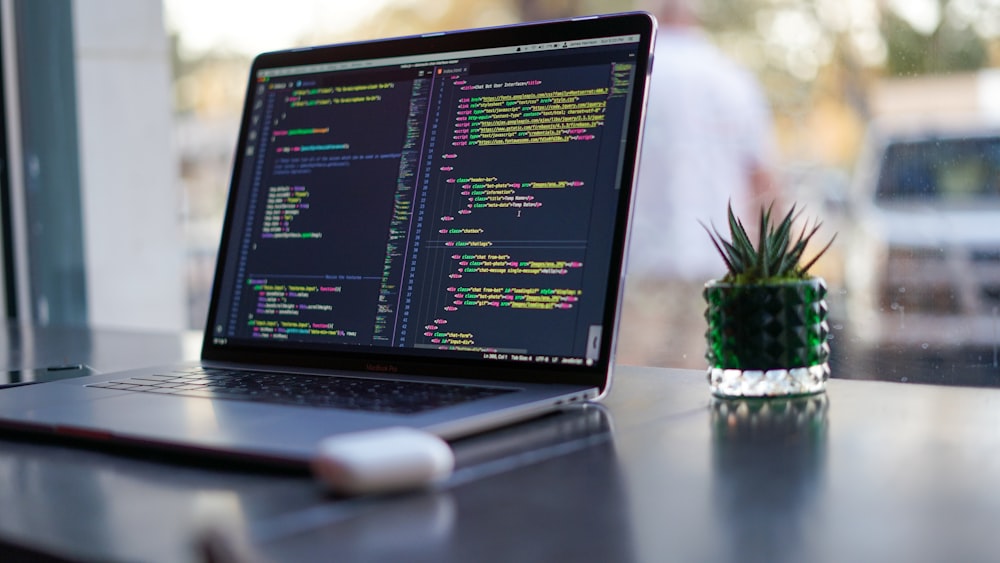
At our fictional coding bootcamp, Coding Academy, we made the decision early on to teach two programming languages simultaneously in our 12-week full-time or 6-month part-time curriculum.
Specifically, students learn Python on the back-end and JavaScript on the front-end, with a particular focus on Flask, React and Node.js. They apply these technologies to build fully functional web applications, both individually and in teams.
We settled on this combination of languages because together they allow fledgling developers to build complete full-stack applications. Python and JavaScript consistently top rankings for usage, demand, and beginner-friendliness while empowering students to create complex, interactive web apps.
However, we recognized from the outset that concurrently teaching two languages would significantly increase difficulty for students. With two languages competing for mindshare, it is undoubtedly harder to thoroughly grasp concepts and syntax compared to focusing on a single language.
Despite the sharply increased workload, we have stuck with our two-language curriculum because we have seen the tangible career benefits it provides graduates over a single-language approach. While taxing at first, mastering two languages in a short period develops lasting advantages including:
- A strong conceptual framework transferrable across languages
- The ability to quickly context switch and pick up new syntax
- A complete understanding of full-stack development
- Expanded job opportunities
- Confidence to learn additional languages just-in-time
Now with five years of experience and outcomes to analyze, we are more convinced than ever that the short-term difficulty of two languages manifests in outsized long-term gains for our students.
By the Numbers: Outcomes for Two-Language Graduates
Our decision to maintain two languages has largely been validated by hard statistics around graduate outcomes:
- 93% job placement rate for wanted full-time roles
- Average salary of $75,000 for graduates
- 80% of graduates actively use both JavaScript and Python in their roles
- 97% of graduates secured roles requiring proficiency in 2+ languages
These metrics either meet or exceed national coding bootcamp averages despite our above-average curriculum difficulty. Additionally, between surveys and informal feedback, we consistently hear our two-language focus called out as a key driver of success post-graduation.
So while temporarily frustrating, statistically graduates acquire highly relevant skills without meaningful attrition. That confirms two languages as the right approach for our students‘ interests. We expect these successful outcomes to improve in the future as we refine the curriculum and student experience.
Why Python and JavaScript?
We selected Python and JavaScript specifically for a few key reasons:
1. In-demand languages with strong outlooks
Python and JS consistently rank as top languages for usage, demand, and salary in developer surveys. They dominate rankings from StackOverflow, Hired, CodinGame, and more regarding desirable skills.
As examples, Python ranks #1 and JavaScript ranks #2 in:
- Most used languages across all developers
- Most wanted languages by companies
- Top paying programming languages
Their popularity has steadily risen over the past decade as well:
| Year | Python Users | JavaScript Users |
|---|---|---|
| 2012 | 1 million | 6 million |
| 2022 | 13 million | 14 million |
Both languages are projected to continue growth trajectories given expanding roles in data science, machine learning, web development, and IoT programming.
2. Approachable for beginners
Despite expansive capabilities, Python and JS both have relatively simple, readable syntax. This allows beginners to quickly pick up basics like variables, data structures, loops without getting mired down.
For bootcamp students coming from non-technical backgrounds, their gentle learning curves lower barriers allowing focus on higher-level programming concepts. Contrast this with languages like C++ with more complex syntax.
3. Full-stack coverage
A bootcamp must prepare grads for applicable full-time roles which today are overwhelmingly web development. Python and JS present a potent combo covering back-end and front-end development to create complete apps.
Python can power performant servers and robust back-ends interfacing with databases and other services. JS runs interactive front-end application logic and UIs in the browser. Paired students have built fully-functioning e-commerce, social media, and SaaS platforms.
We explored substituting one language for libraries in the other for full-stack dev, but found separation of concerns yielded better outcomes.
4. Interoperability
Python and JS interoperate seamlessly today via JSON APIs allowing grads to build apps using the best tool for client and server. Most student project showcase this architecture.
Their symbiotic relationship only continues to strengthen allowing one language to leverage capabilities in the other simply through HTTP communication. This future-proofs the skills.
Compare to Other Coding Bootcamp Curriculums
We have deliberately chosen to teach two full languages instead of:
- One primary language + supplementary technologies
- Only front-end or only back-end languages
Many peer bootcamps take the first approach, teaching one principal language (typically JavaScript) supplemented with some database, DevOps or other skills. The second focuses purely on front-end or back-end which aligns with certain specialist roles.
Our curriculum requires strictly more effort than these other arrangements. However, we believe it delivers substantially more capability as well, namely in producing well-rounded, full-stack developers able to build complete solutions.
This generalist approach mirrors what students will encounter post-bootcamp tackling complex business problems combining tools as needed. As mentioned, employment statistics indicate the industry values these cross-cutting skills produced more by our style of curriculum.
While reasonable people can disagree on the ideal bootcamp curriculum, we have seen excellent outcomes from ours indicate two full languages targets skills closer to professional expectations.
Student Experience Learning Two Languages
Despite the statistical evidence in favor of our approach, we don‘t take lightly the onerous workload induced – particularly early on. Each cohort experiences ups and downs coping with the taxing syllabus.
Beginner Blues
The first 2-3 weeks represent the steepest part of the learning curve. With no prior experience, students feel overwhelmed by the firehose of new concepts, syntax, and problem-solving required in two completely foreign languages.
Frustration and frazzled minds are common cope with seemingly disjoint knowledge dumps from instructors. Self-doubt also emerges wondering "Can I really do this?" as peers appear to grasp material faster.
We caution students to measure progress longitudinally not daily at this nascent stage. Trust in persistently applying fundamentals clicks improves outcomes over judging ability based on momentary gaps.
Making Connections
At the 4-6 week mark, we observe increased confidence as foundational building blocks settle into place. Students internalize core programming concepts like variables, conditionals, loops that transfer between languages.
The languages click from theoretical to workable toolsets allowing students to finally build things like CLI games, algorithms, front-end interfaces. Coding becomes creation unlocking satisfaction and momentum.
Making a button work with JavaScript or scraping data in Python delivers wins redeposing imposter syndrome. Shared vocabulary around functions, APIs, state emerges productive collaboration.
Smooth Operators
In the latter third stretching towards graduation, students demonstrate remarkable poise toggling between languages and files to build sophisticated applications.
Concurrency bugs barely raise heart rates. Memorization gives way to mastery mentally juggling language syntaxes, frameworks, databases plus product requirements.
Second language fluency manifests – now in programming instead of French or Spanish! Students internalize structural patterns speeding comprehension even skimming complex codebases.
The leap in perspective from week 2 helpless to week 10 autonomous proves deeply motivating. Graduates pointedly reflect on the journey most citing the two-language trial-by-fire forge sharpening problem-solving.
Graduate Feedback on Dual-Language Training
Beyond the statistics, perhaps the most convincing data around our curriculum comes directly from graduate feedback. While initially skeptical, an overwhelming majority endorse the two-language approach in hindsight.
Here are a few representative testimonials from alumni:
-
"Learning Python and JavaScript concurrently was like taking the training weights off after bootcamp. Things got so much clearer and easier. The languages play off each other forcing you to separate concepts from syntax."
-
"I appreciate how deeply the project-based, two-language curriculum prepared me for professional work. My current job combines Python, JS, SQL, and other technologies seamlessly like we did."
-
"The confidence I developed picking up React while also new to programming fundamentals through Python is invaluable. Technologies change, but that skill to efficiently layer languages is career power."
-
"Jumping between Java, JS, Objective-C, and C++ regularly at my company leverages that flexibility built learning two languages at once. I sound like a broken record but that training specifically got me here today."
These firsthand experiences closely reflect our original visions for two languages – instilling universally applicable concepts, adaptability to new syntaxes, and durable confidence.
While we continue refining curriculum and supplemental support through the difficult transition periods, we have yet to identify improvements that justify dropping to a single programming language.
Conclusion: Two Languages Establish Enduring Advantages
In the practitioner world of professional coding, reliance on a single programming language is an anomaly. Tech stacks today integrate diverse languages, frameworks, and infrastructures working in concert to deliver robust functionality.
Our job as a coding bootcamp is to equip graduates for that reality by teaching core, flexible competencies beyond trends that fade. This includes adaptability churning between languages and troubleshooting complex, multi-technology architectures.
For these reasons and more, Coding Academy continues utilizing a two-language curriculum as the preferred training for the versatile full-stack developers that companies seek to hire.
What seems overly ambitious at first by teaching Python and JavaScript together proves wholly necessary by graduation to cement lasting comprehension, competence, and confidence that students carry into impactful careers.


